
TMS for Anxious Depression in Glendale, CA
Anxious depression (depression with prominent anxiety symptoms) is an FDA-cleared indication for BrainsWay Deep TMS. At Breakthrough TMS in Glendale, we treat anxious depression for adults across Los Angeles with a non-drug, outpatient protocol: no anesthesia, brief weekday sessions, and personalization based on clinical screening.
Medically reviewed by Artur Saakyan, MD
Does Deep TMS Help With Anxiety?
Yes, but the specifics matter. BrainsWay Deep TMS is FDA-cleared to treat major depressive disorder, including the comorbid anxiety symptoms that so often come with it. Clinicians call this pattern anxious depression, and reducing those anxiety symptoms is part of what the treatment is cleared to address in adults. In that clinical context, anxiety symptoms frequently ease as the underlying depression improves, because the same mood-regulation networks Deep TMS targets are involved in both.
Deep TMS is not cleared for standalone anxiety disorders, generalized anxiety, panic disorder, or social anxiety on their own, without depression. Research into those uses is ongoing and promising. If anxiety is the center of what you are experiencing, a consultation is the way to sort out whether your symptoms fit the anxious-depression picture Deep TMS is cleared to treat.
When Depression Comes With Anxiety
Some depression is not quiet. It comes with racing thoughts, tension, panic sensations, and constant worry. When anxiety symptoms are tied to depression, treatment can be harder and progress can feel slower, a medication that helps one symptom can seem to worsen another. That combination has a name clinicians use, anxious depression, and it is one of the specific indications Deep TMS is FDA-cleared to address in adults.
Signs You May Relate To
- Depression with persistent worry or panic sensations
- Restlessness, agitation, or feeling “wired but tired”
- Sleep disruption and rumination
- Difficulty concentrating due to anxiety and low mood
- A sense that medication helps one symptom but worsens another
If your main struggle is depression without prominent anxiety, see TMS therapy for depression, the underlying treatment is closely related, but the protocol is matched to your symptoms during screening.
Why Deep TMS for Anxious Depression
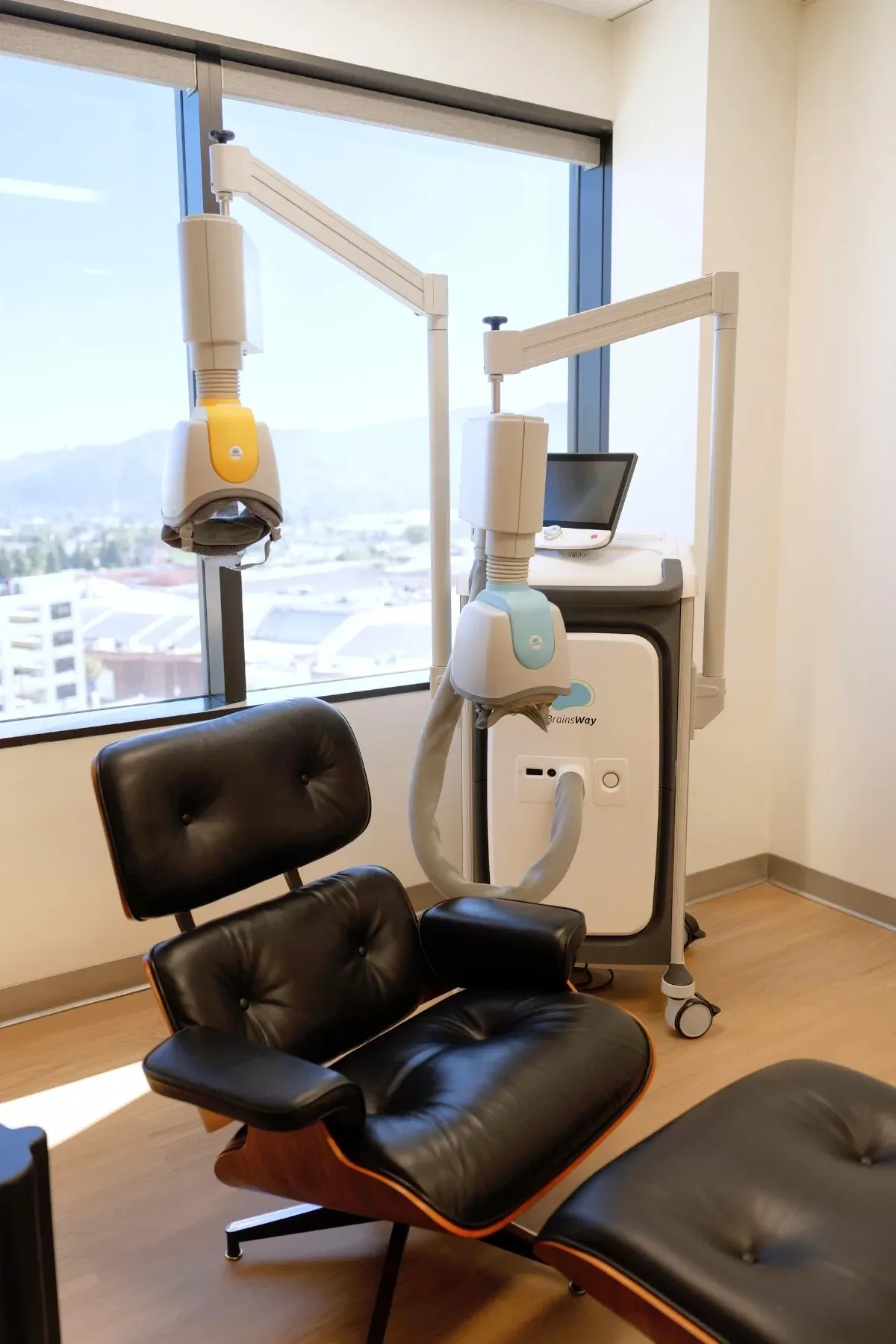
Deep TMS is designed to stimulate brain networks involved in mood regulation and anxiety-related symptoms, without systemic medication effects. It is non-invasive, outpatient, and designed to fit into daily life. You stay awake during treatment, and most patients return to normal activities right after each session.
What to Expect During Treatment
We start with screening, then personalize your treatment settings and deliver brief weekday sessions. Over time, repeated stimulation can support more stable network functioning, which may reduce both depressive symptoms and anxiety features. We track your symptoms throughout so you can see your own trend, not guess at it.
Curious about the mechanics, mapping, session length, what it feels like? See how TMS works, step by step.
Are You a Candidate for TMS?
You may be a fit if you:
- Have depression with significant anxiety symptoms
- Have not improved enough with standard treatment
- Prefer a non-drug approach and are medically appropriate after screening
Safety & Side Effects
Most side effects are mild and short-term, commonly headache or scalp discomfort, and comfort typically improves as your body adapts. We go over safety, and anything that would make TMS a poor fit for you, during your consultation, including screening for metal in or around the head.
Cost & Insurance
Many insurance plans cover TMS for depression. Our team can verify your benefits and explain expected out-of-pocket costs before you start. Contact our Glendale office and we will check your specific plan.
Anxious Depression FAQs
Does TMS help with anxiety?
Yes, in a specific way. Deep TMS is FDA-cleared for anxious depression, meaning anxiety symptoms that occur alongside depression in adults, and reducing those anxiety symptoms is part of what the treatment is cleared to address. If anxiety is a major part of what you are experiencing, a consultation can clarify whether your symptoms fit the anxious-depression picture.
Is TMS FDA-cleared for anxiety?
Not for anxiety on its own. Deep TMS is FDA-cleared for major depressive disorder, including the comorbid anxiety symptoms of anxious depression in adults. It is not cleared for standalone anxiety disorders. A consultation clarifies whether your symptoms fit the anxious-depression picture the treatment is cleared to address.
What is anxious depression?
Anxious depression is major depression that occurs alongside prominent anxiety symptoms, persistent worry, restlessness, tension, or panic sensations. It is a recognized clinical presentation, and it is one of the specific indications BrainsWay Deep TMS is FDA-cleared to treat in adults. Screening confirms whether it fits your situation.
How soon will I notice improvement in anxiety symptoms?
Progress is different for everyone. Many patients notice changes gradually over the course of treatment. Some notice early improvements in sleep or agitation first, while others see changes later. We track symptoms throughout so you can see trends over time.
Do I need to stop my antidepressant or anti-anxiety medication?
Not necessarily. Many patients continue medications during TMS. We review your medication list during screening and, when appropriate, coordinate with your prescribing clinician.
Is TMS safe if I already feel “on edge” or panicky?
TMS is generally well-tolerated. At Breakthrough TMS, we use screening and careful adjustments to improve comfort. If you are prone to panic or sensitivity, we can discuss pacing, comfort strategies, and what to expect before you start.
How long is each session?
Most sessions are about 20 minutes or less, depending on the protocol. Your first visit is usually longer because it includes mapping and setup.