
TMS for Late-Life Depression in Glendale, CA
Depression does not stop with age, but in older adults, treatment is often complicated by medication interactions, side effects, or limited response. BrainsWay Deep TMS is FDA-cleared for major depressive disorder in older adults, with labeling that covers patients through age 86, and Breakthrough TMS provides it in Glendale without anesthesia, without systemic medication burden, and in an outpatient setting.
Medically reviewed by Artur Saakyan, MD
What Late-Life Depression May Look Like
In older adults, depression can look different than it does earlier in life. It is not always sadness first. It may show up as:
- Loss of interest, social withdrawal, reduced motivation
- Low energy and increased fatigue
- Sleep changes
- Irritability or agitation
- Cognitive complaints like low concentration (often related to mood)
- Grief and major life transitions that trigger or worsen depression
Why Deep TMS for Older Adults
Deep TMS is non-invasive and does not require anesthesia. It does not create systemic medication burden and is completed in an outpatient setting. For many older adults, especially those already managing several prescriptions, that combination is important: TMS adds a treatment without adding another drug interaction to manage.
If you are new to TMS, this overview of what TMS is explains the treatment and how it compares to medication and other options.
What to Expect During Treatment
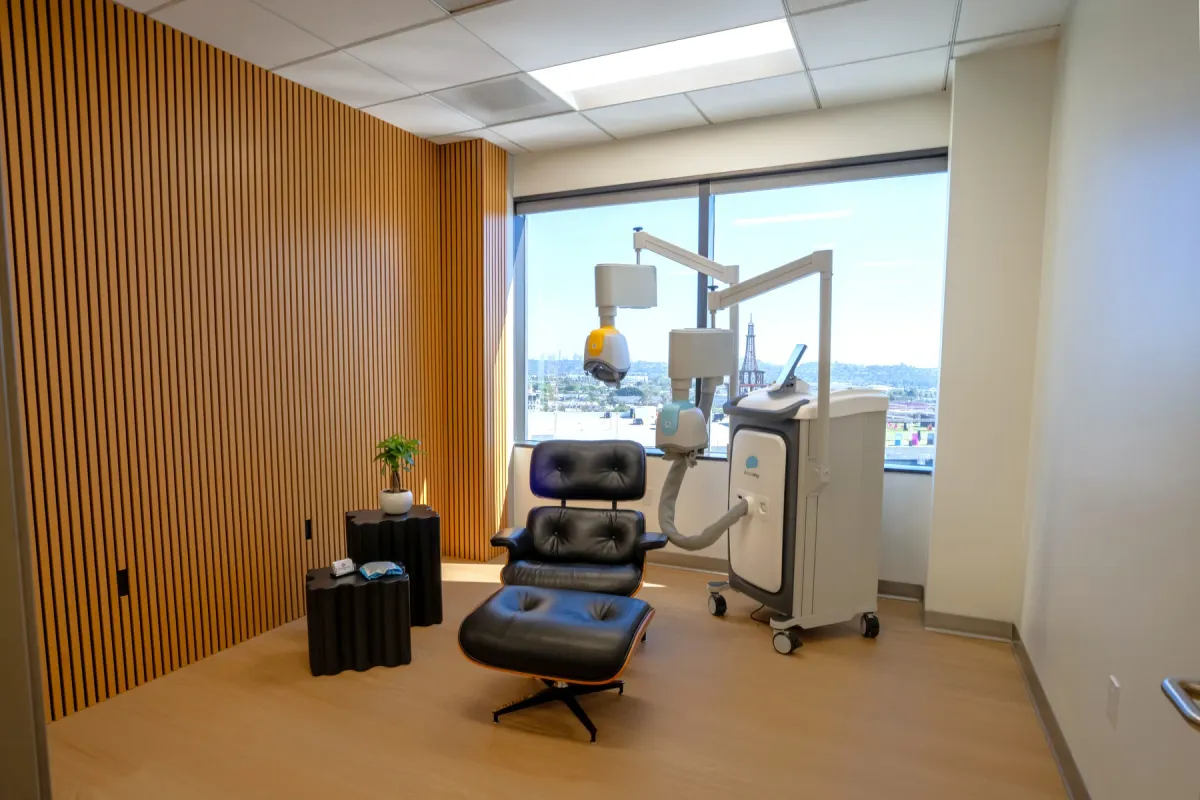
Your plan begins with careful screening, including medical history and medications. Treatment sessions are brief and scheduled on weekdays. We track symptoms over time and adjust for comfort. Your first appointment includes a mapping step and runs longer than regular sessions, here is the full treatment process.
Are You a Candidate for TMS?
You may be a fit if you:
- Have depression that persists despite medication or therapy
- Prefer to avoid adding medications or increasing dosages
- Are medically appropriate after screening
Candidacy is confirmed during your consultation, based on your age, symptoms, treatment history, and medical profile.
Safety & Side Effects
Most side effects are short-term, such as headache or scalp discomfort. Safety screening before starting is essential, especially for anyone with metal in or around the head, and we review all safety factors during your consultation.
Cost & Insurance
Coverage varies by plan. We will verify benefits and explain expected costs before you start. Contact our Glendale office to have your plan checked.
Late-Life Depression FAQs
Is Deep TMS FDA-cleared for late-life depression?
Yes. BrainsWay Deep TMS is FDA-cleared for major depressive disorder, and in 2024 the FDA extended that labeling to cover patients through age 86. We confirm fit during your consultation based on your age, symptoms, and medical profile.
How long does each session take?
Session length depends on the protocol, but many Deep TMS sessions are around 20 minutes. Your first visit is usually longer because it includes personalization and setup.
Can I continue my current medications while doing TMS?
Possibly. Many patients continue medications during TMS. We review your medication list and coordinate care with your prescriber when appropriate.
Will I need someone to drive me to appointments?
Typically, no. TMS does not involve anesthesia or sedation, and many patients drive themselves to and from sessions.
What does treatment feel like?
Most people feel tapping and mild pressure on the scalp during stimulation. Some experience a temporary headache early in the course. Comfort typically improves as your body adapts and as we fine-tune positioning.
How long does a full course take?
Treatment length varies by protocol. A full course runs about 8 weeks: sessions 5 days a week for 6 weeks, plus 2 weeks of taper sessions. We review your recommended schedule during consultation.